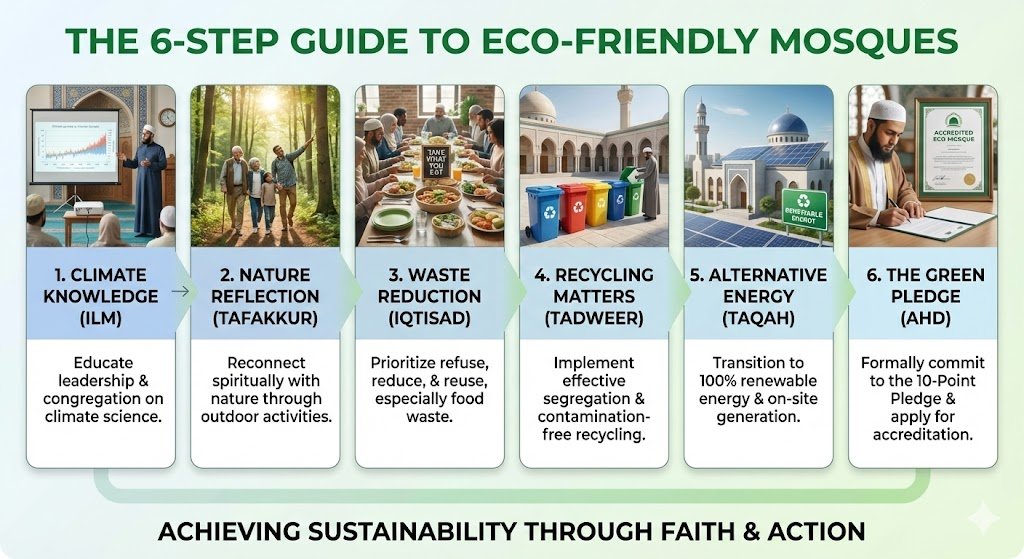
The 10 Point Environmental Pledge is the starting point for your Eco Mosque journey. It helps your committee agree practical actions across governance, buildings, and daily operations, backed by evidence you can record and improve over time.
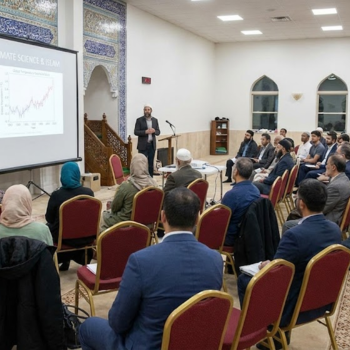
Before we can act, we must understand. Equip your leadership and congregation with the basics of climate change and why it matters.
Host a short “Climate Change & Islam” workshop for trustees, staff, volunteers, and the wider jama’ah, explaining the basics in plain language and why it matters locally and globally.
Share a simple learning pack (slides or handout) after Jumu’ah or in your WhatsApp groups so people can learn at their own pace and revisit it later.
Appoint one person to collect key facts, local climate risks, and practical mosque-related examples (energy bills, water use, waste) to keep your messaging grounded and relevant.
Step 2: Learning the Benefits of Nature (Tafakkur – Reflection)
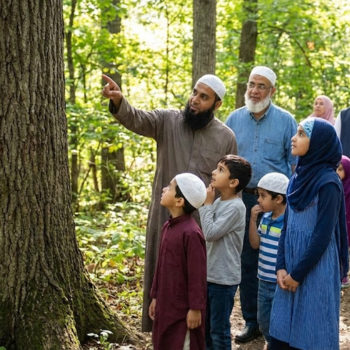
We protect what we appreciate. Reconnect the community with the natural world and build love for Allah’s creation.
Organise a community nature walk, park visit, or outdoor reflection session that connects spiritual reflection with care for creation in a relaxed, family-friendly way.
Run a youth activity (scavenger hunt, clean-up walk, or “nature journaling”) to make environmental care feel engaging and practical, not just theoretical.
Start a small “green space” initiative at the mosque planters, pollinator-friendly flowers, or a simple garden area and involve volunteers in monthly upkeep.
Step 3: Reducing Waste (Iqtisad – Moderation)
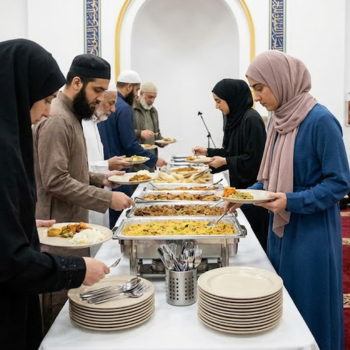
Create a culture of moderation by reducing what you consume, planning events more wisely, cutting unnecessary disposables, and addressing high-waste moments like Ramadan so improvements are visible and sustainable.
Create a waste-reduction plan for events, especially Ramadan, covering portion sizes, serving approach, and how leftovers will be stored, shared, or donated safely.
Replace disposable habits with reusable or compostable alternatives and brief volunteers so the system is easy to follow during busy periods.
Track waste for one month (bin bags, food waste volume, plastic use) and set a realistic reduction target that you can measure and report.
Step 4: Recycling Matters (Tadweer – Circularity)
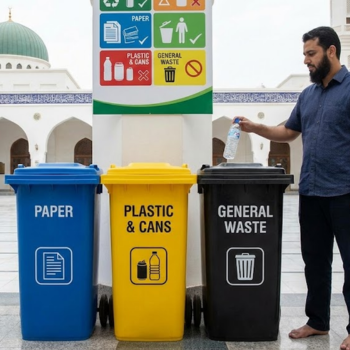
Put a clear system in place that makes recycling easy to follow, reduces contamination, and turns waste management into an organised routine rather than an afterthought during busy mosque days.
Install labelled recycling stations in high-traffic areas (entrances, dining spaces, classrooms, wudu exits) so the correct choice is always the easy choice.
Use clear signs with real examples of what goes where, and add quick reminders to reduce contamination (rinse, empty, separate).
Assign a caretaker or volunteer to do weekly checks, correct bin placement issues, and report what’s working so the system improves over time.
Step 5: Using Alternative Energy (Taqah – Energy)
Begin by removing everyday energy waste through better controls and efficient lighting, then plan and deliver higher-impact upgrades such as renewables and building improvements that reduce emissions and long-term running costs.
Start with efficiency wins: review heating schedules, improve controls, upgrade lighting, and avoid heating or lighting empty spaces unnecessarily.
Switch to a renewable electricity tariff where possible and document it as early evidence of action toward accreditation.
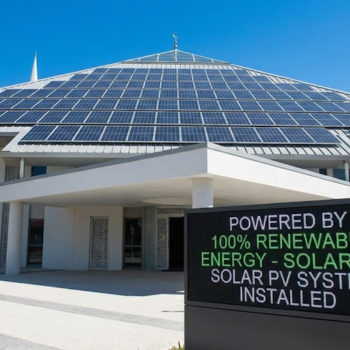
Gather quotes and complete a feasibility review for upgrades like solar PV, insulation improvements, and heat pumps so trustees can plan cost, funding, and timelines responsibly.
Step 6: Making the Green Pledge (Ahd – Covenant)
Formalise your commitment through a clear covenant, assign ownership to a responsible team, and build an evidence trail from day one so your mosque can demonstrate progress and move confidently toward accreditation.
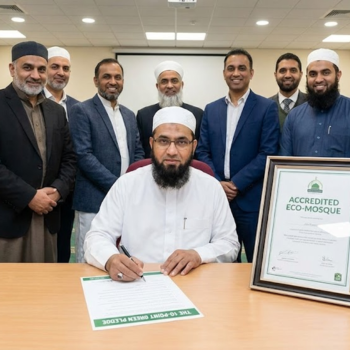
Sign the 10-Point Environmental Pledge as a formal committee decision, assigning responsibilities to named roles so it becomes a working commitment.
Create an evidence folder immediately (photos, invoices, policies, minutes, meter readings) so accreditation submission is organised and straightforward.
Build a simple yearly plan with a few priority actions per quarter and review progress regularly at committee meetings to maintain momentum.
A practical step-by-step framework to help mosques move from awareness to real-world action — from education and waste reduction to energy upgrades and accreditation.